
Rugby Balls

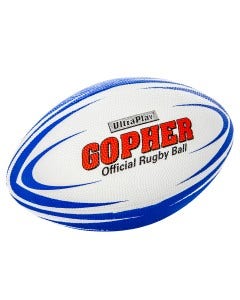
  • Gopher G1000 Rugby Ball
    $27.95
  • Gopher Exclusive
    UltraPlay Rugby Ball
    $24.95
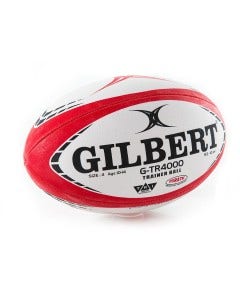
  • Gilbert G-TR4000 Rugby Balls
    Multiple options available!
    $29.95
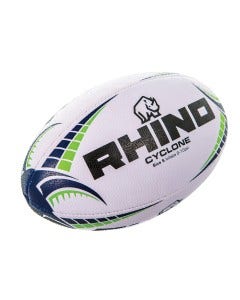
  • Cyclone Rugby Ball
    Multiple options available!
    $34.95

4 Items

Rugby continues to grow in popularity across PE classes and school athletics, offering students a dynamic way to build teamwork, agility, and coordination. At Gopher, we're committed to supporting that growth with dependable, high-quality rugby balls designed specifically for educators and youth programs. Whether you're introducing the basics or advancing gameplay, you can count on equipment that performs. 

Why Buy Rugby Balls from Gopher?  

When looking for rugby balls for sale, Gopher is your top choice. Our selection is built to meet the demands of busy PE environments and competitive teams alike.  

Features to consider:  

  • Durability You Can Trust - Designed to withstand daily class or team use and outdoor conditions.

  • Reliable Grip & Performance - Textured covers help players maintain control whe playing, even for beginners in slick conditions.  

  • Made for Educators - Quality design and materials lengthen the life of our rugby balls, saving time and your budget!  

How to select the right rugby ball  

Choosing the right ball ensures safer play and better skill development. From skill-building in PE units to competitive play, our selection of trusted options delivers dependable performance every time.  

Quick Sizing Guide 

Age-appropriate sizing improves control, safety, and skill progression. 

  • Size 4: Elementary and Middle School, Jr High / Ages 8-15 

  • Size 5: High School and Up / Ages 15+  

Selection Tips  

  • Skill Level - Beginners benefit from softer, easy-grip rugby training balls (like this Gilbert ball

  • Intended Use -

    • Choose durable trainers in smaller sizes for younger PE classes or upgrade to rugby match balls for older students and competitive play (like Gopher's G1000 ball).  

    • All of our options include rubber covers to ensure long-lasting performance in any setting. 

  • Class Size - Larger classes or teams benefit from multiple balls to maximize participation.  

Equip your program with confidence and shop Gopher’s rugby lineup, all designed for schools and athletic teams. With options for rugby training balls, rugby match balls, and premium gilbert rugby balls, it's easy to find the right fit for your program.  

If you need assistance, our team is here to help! Gopher provides expert guidance and PE resources to help you succeed. Reach out anytime for personalized assistance. 

We’ve gathered answers to the most common Rugby questions to make your shopping experience simple. Whether you’re looking for details about ball size, comparability of football and rugby, or care instructions, you’ll find what you need right here. 

Questions include answers, practical tips, and helpful resources that support your frequently asked questions.

Rugby Balls 

How are football and rugby the same? Different? 

Rugby and American football share a common origin, so they have several similarities—but they differ quite a bit in gameplay, equipment, and structure. Rugby emphasizes continuous movement, endurance, and ball control, while football focuses more on set plays, specialization, and strategic pauses. 

Similarities:

  • Ball Shape - Both use an oval-shaped ball designed for passing and kicking.

  • Objective - Teams aim to advance the ball downfield and score points in an end zone/try zone.

  • Physical Play - Both are contact sports involving tackling, blocking (football), and physical contests for possession.

  • Team Strategy - Success depends on teamwork, positioning, and coordinated plays. 

Differences:

Game Flow 

  • Rugby - Continuous play with minimal stoppages; players must stay engaged and move constantly.

  • Football - Stop-and-start structure with set plays between downs. 

Passing Rules 

  • Rugby - The ball can only be passed backward or laterally.

  • Football - Forward passes are allowed (one per play), creating a very different offensive strategy. 

Equipment 

  • Rugby - Minimal gear (mouthguard, optional soft headgear). No pads or helmets.

  • Football - In tackle football, extensive protective equipment (helmet, shoulder pads, etc.) is required. 

Team Size 

  • Rugby - Typically 15 players (or 7 in rugby sevens).

  • Football - 11 players on the field per team. 

Tackling & Possession 

  • Rugby - After a tackle, play continues; players compete for the ball immediately.

  • Football - Play stops after a tackle, and the next down begins. 

Scoring 

  • Rugby - Points are scored by grounding the ball in the try zone or kicking.

  • Football - Touchdowns, field goals, and extra points follow structured scoring plays. 

What size rugby ball should I use for my students? 

  • Size 4 for elementary to middle school players (ages 9-15). 

  • Size 5 for high school and adult players (ages 15 and up). 

Do rugby balls have laces? 

No, rugby balls do not have laces. Unlike American footballs, rugby balls have a smooth, continuous outer cover (usually rubber or synthetic materials like PVC). The panels are stitched or bonded together internally, so there's no external lacing. 

Instead of laces, rugby balls rely on textured or dimpled surfaces for grip and tacky coatings to improve handling in all conditions 

What's the difference between training and match balls? 

Rugby training balls are built for durability and frequent use, while rugby match balls offer enhanced performance for competitive play. 

Are these rugby balls suitable for outdoor use?

Yes, Gopher rugby balls feature durable covers designed to handle outdoor fields and regular PE use. 

How many rugby balls do I need for a class? 

For maximum participation, aim for 1 ball per 2-3 students to run multiple drills, scrimmiages, etc.

How should I care for rugby balls? 

Store them in a cool, dry place, avoid overinflation, and clean surfaces regularly to maintain grip and longevity.